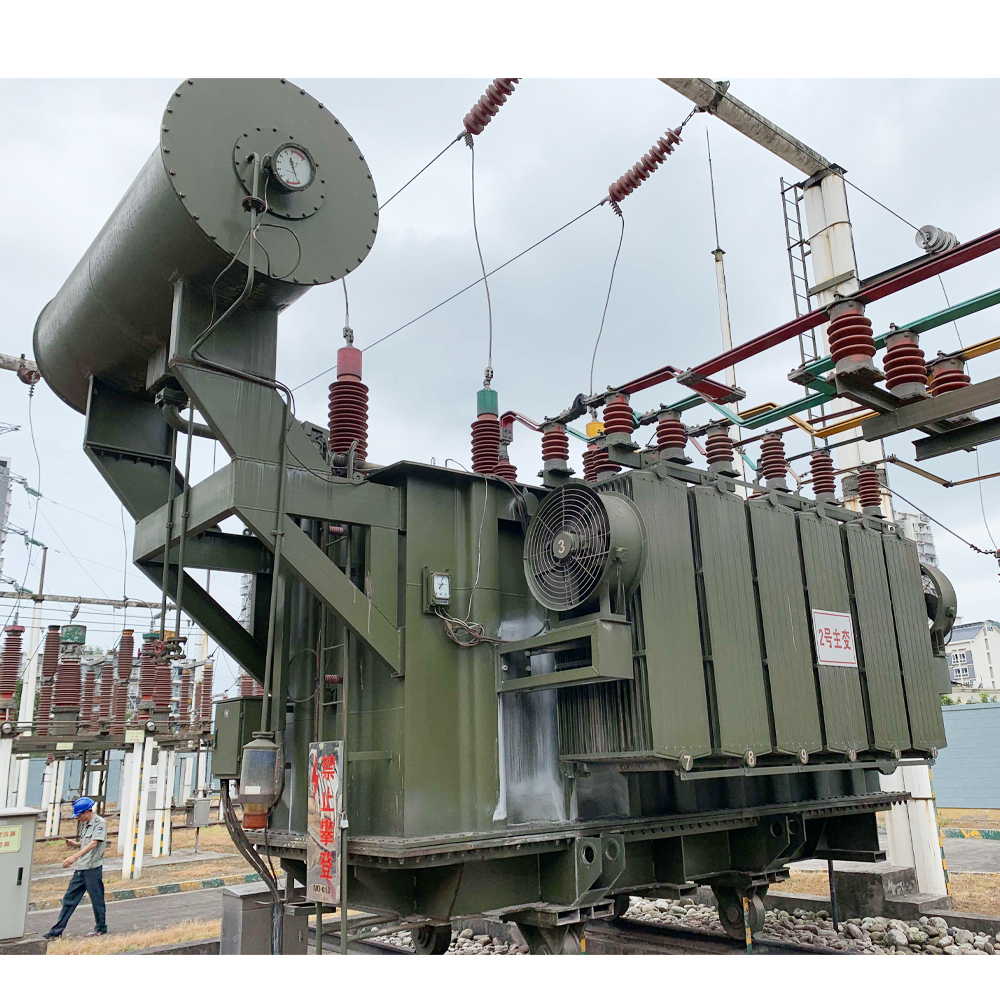
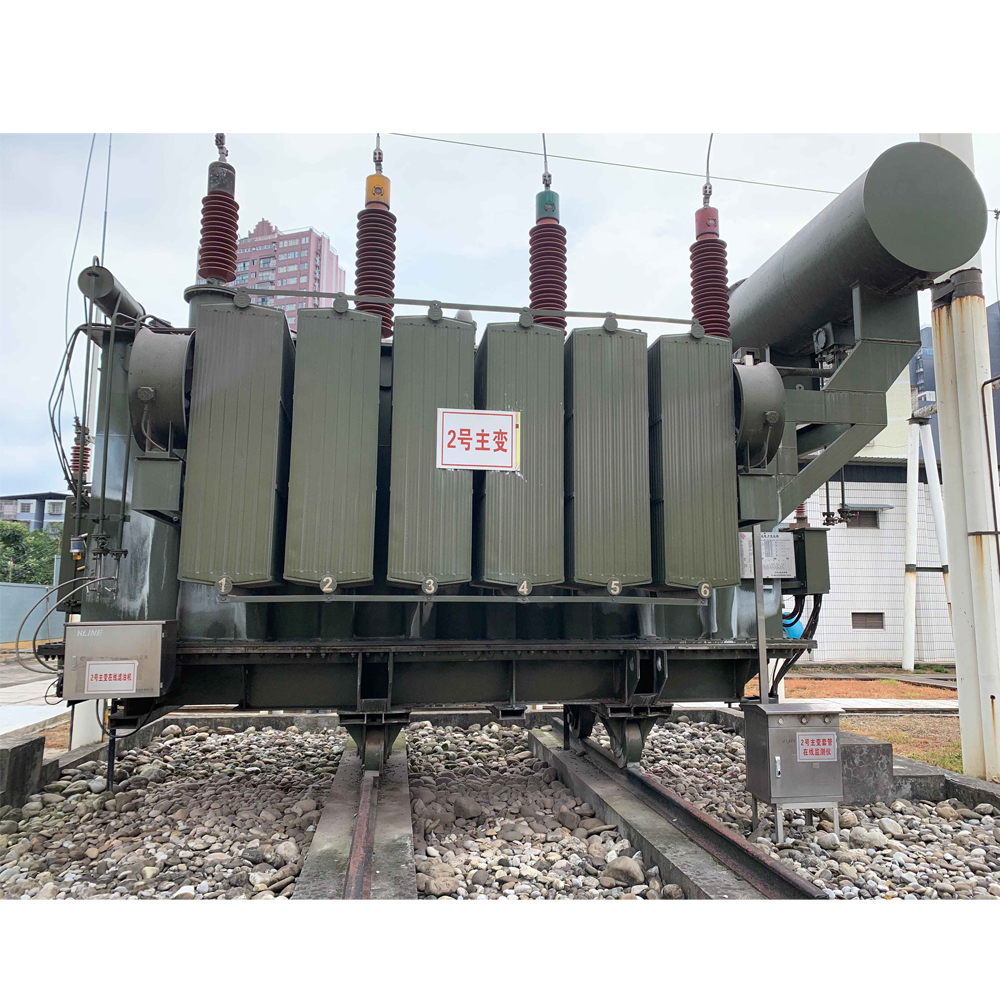
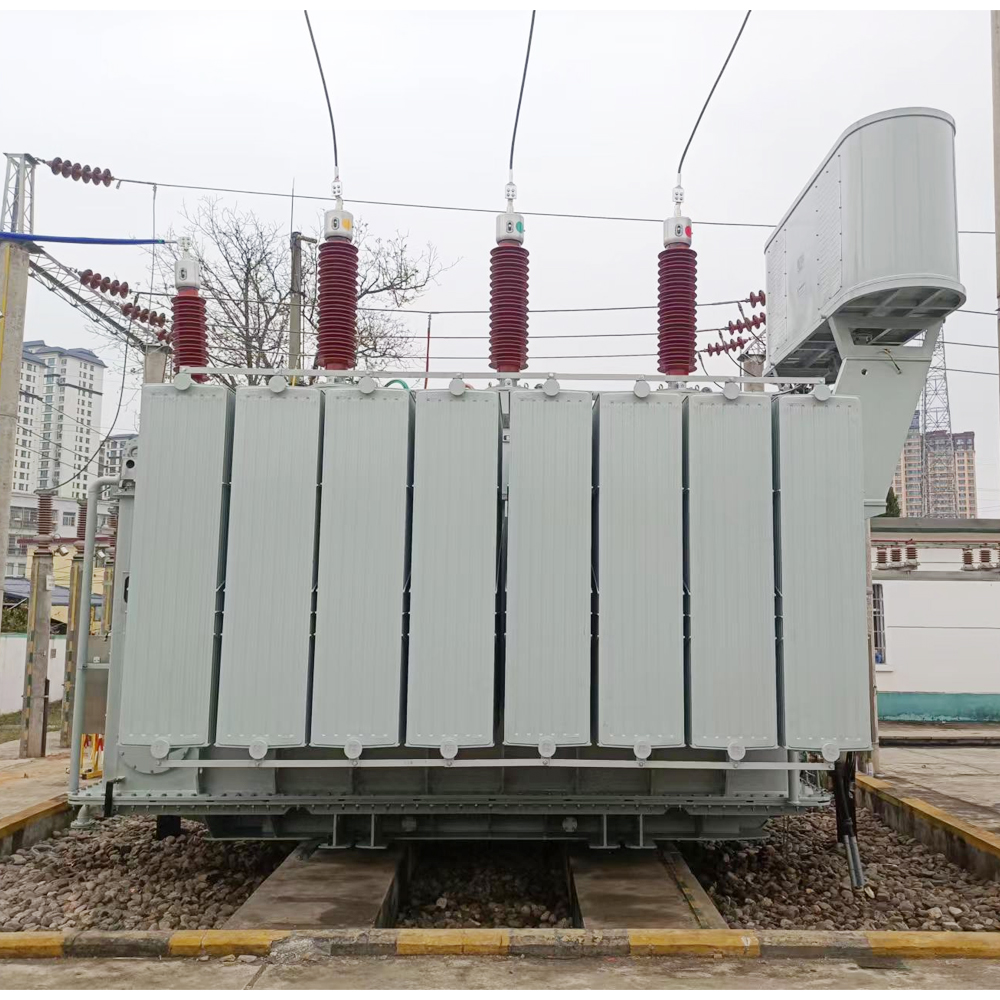
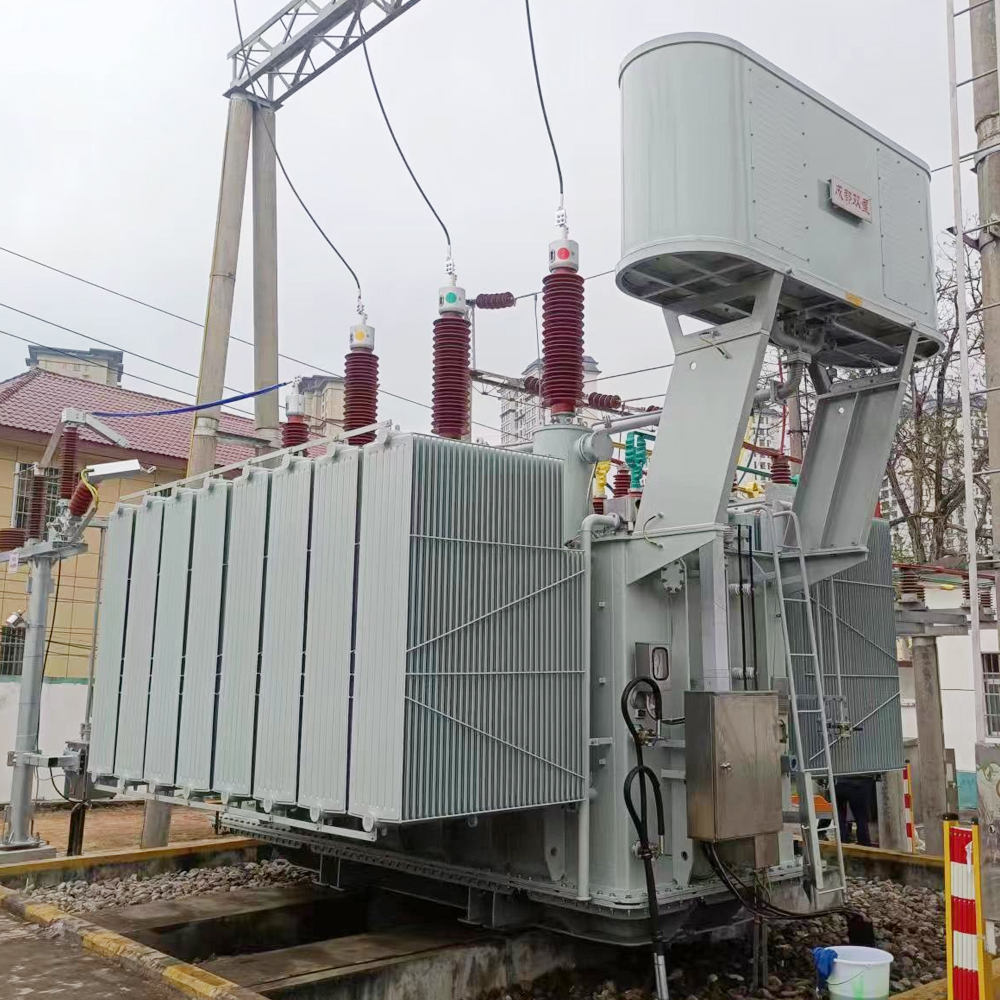
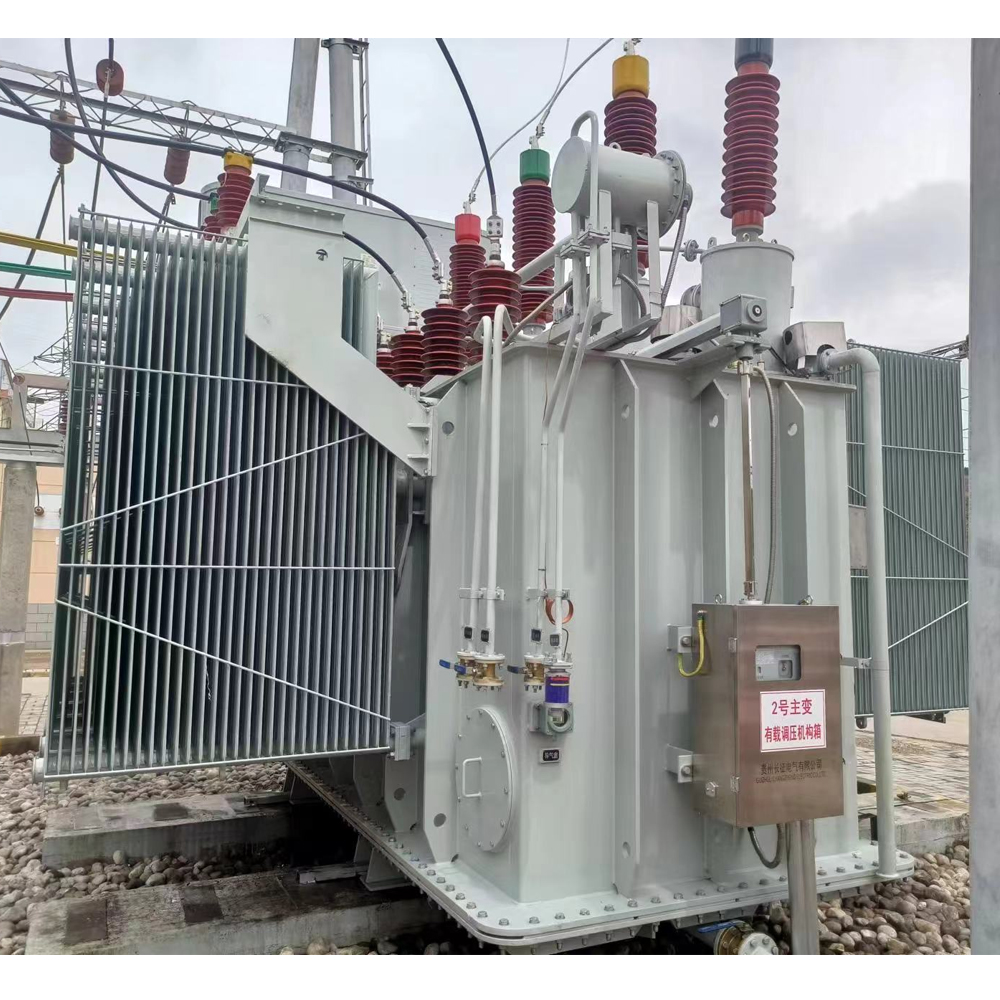
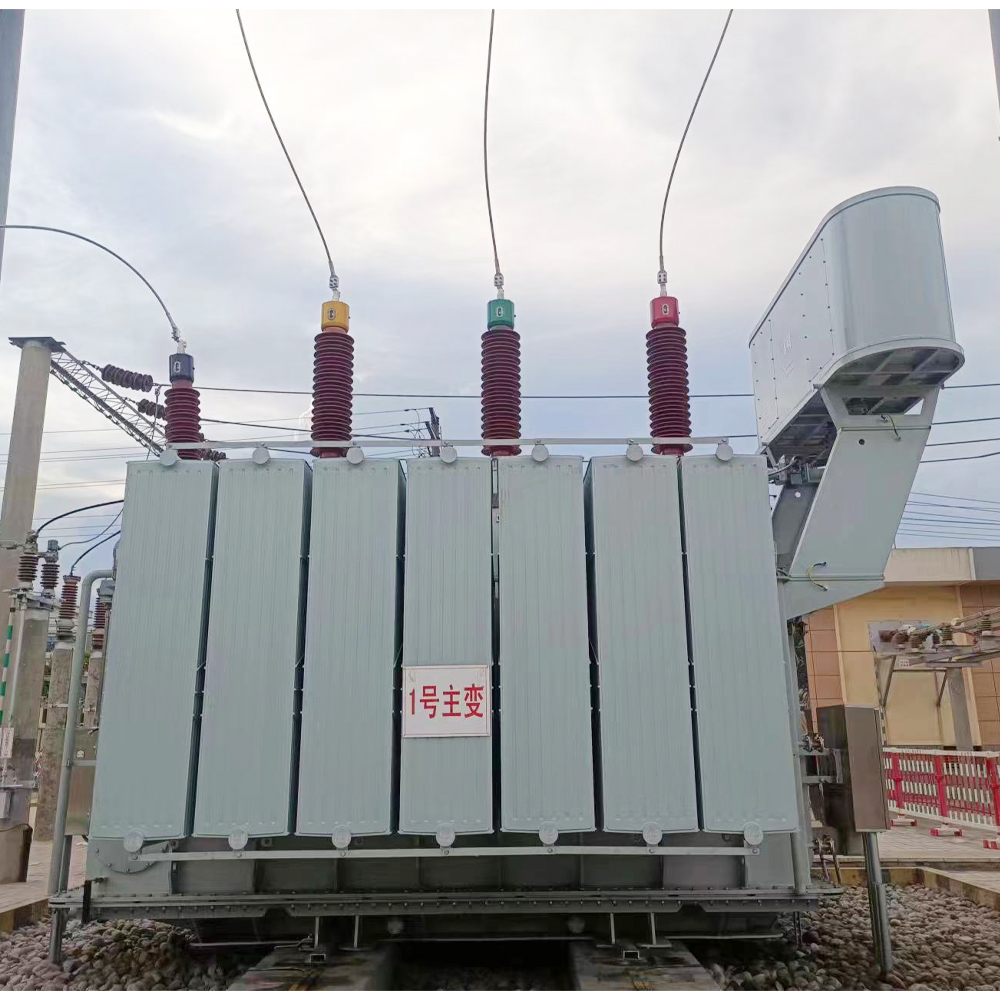
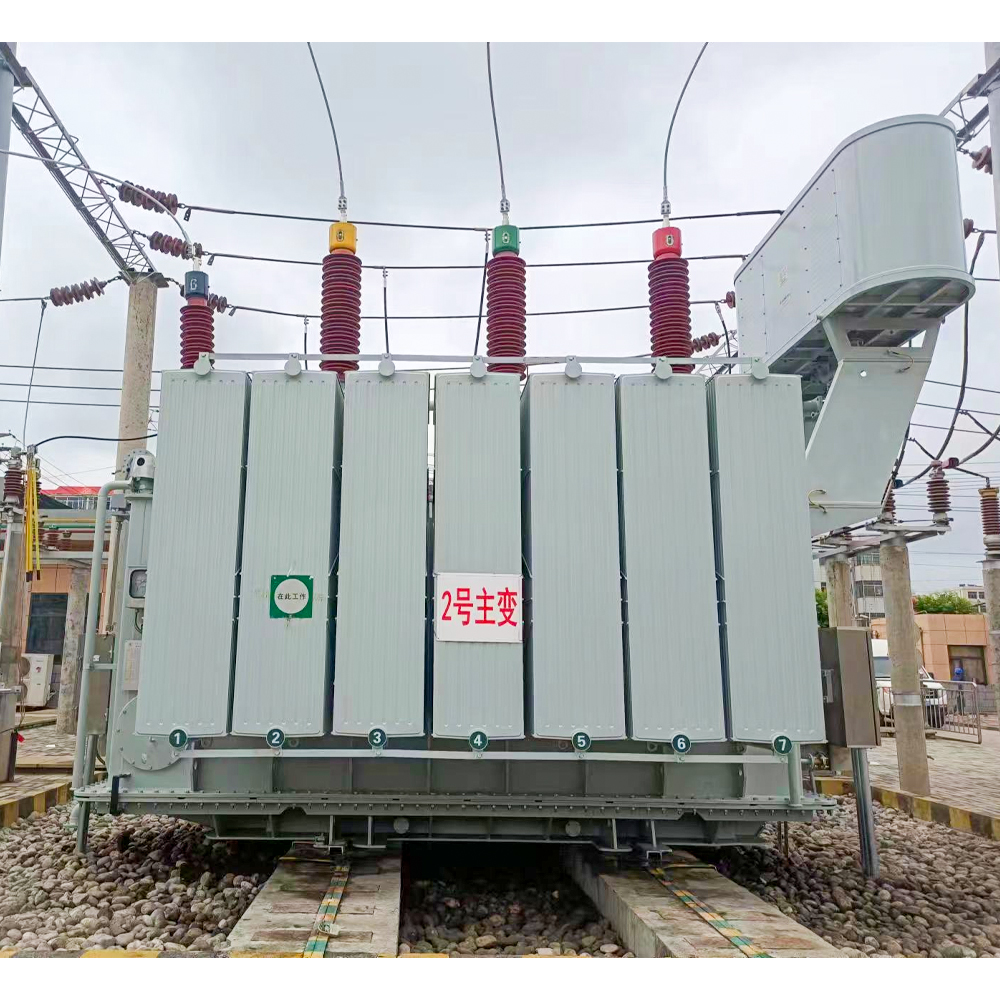
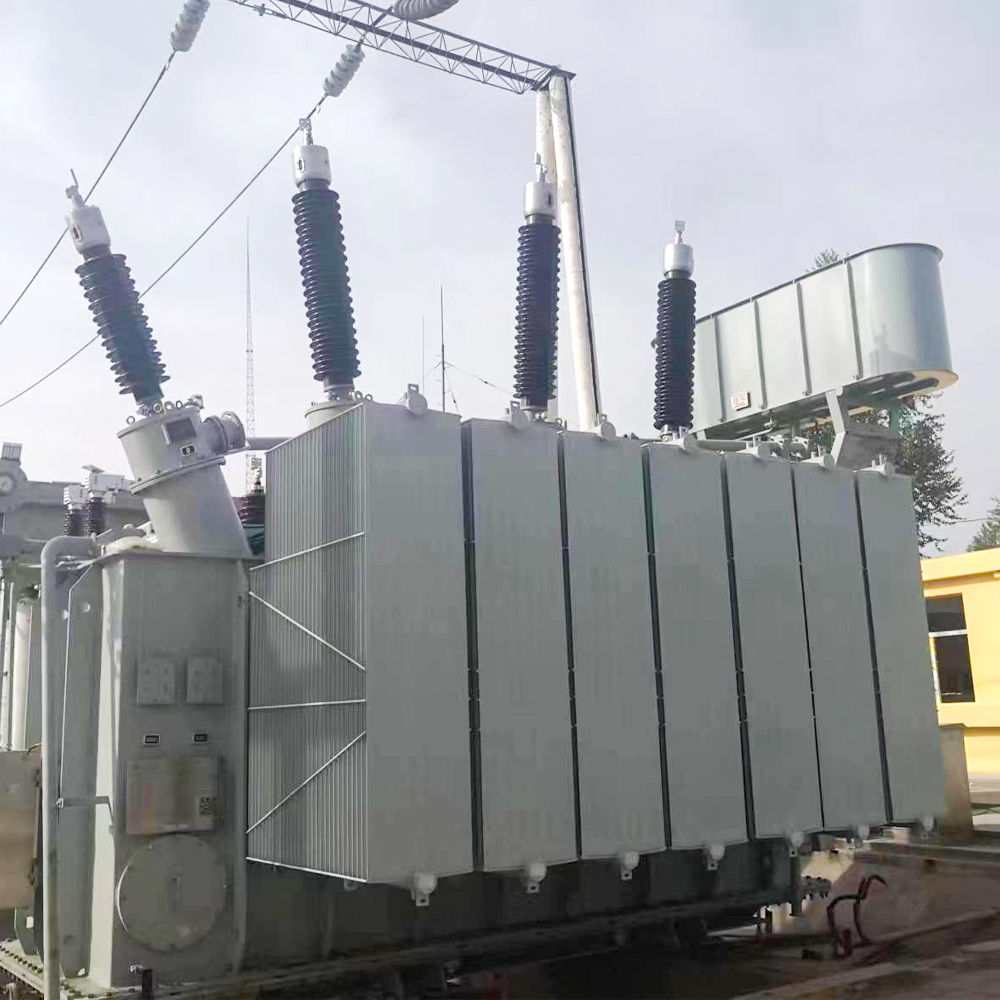
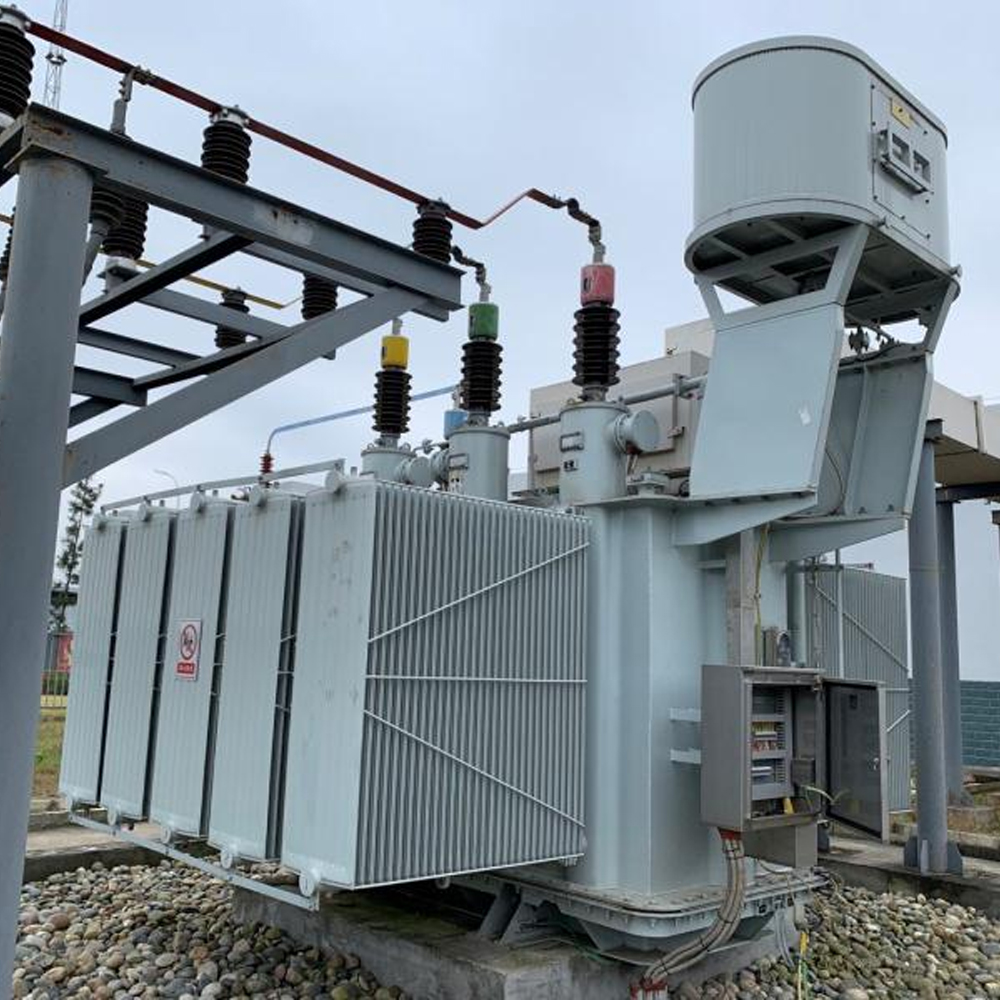
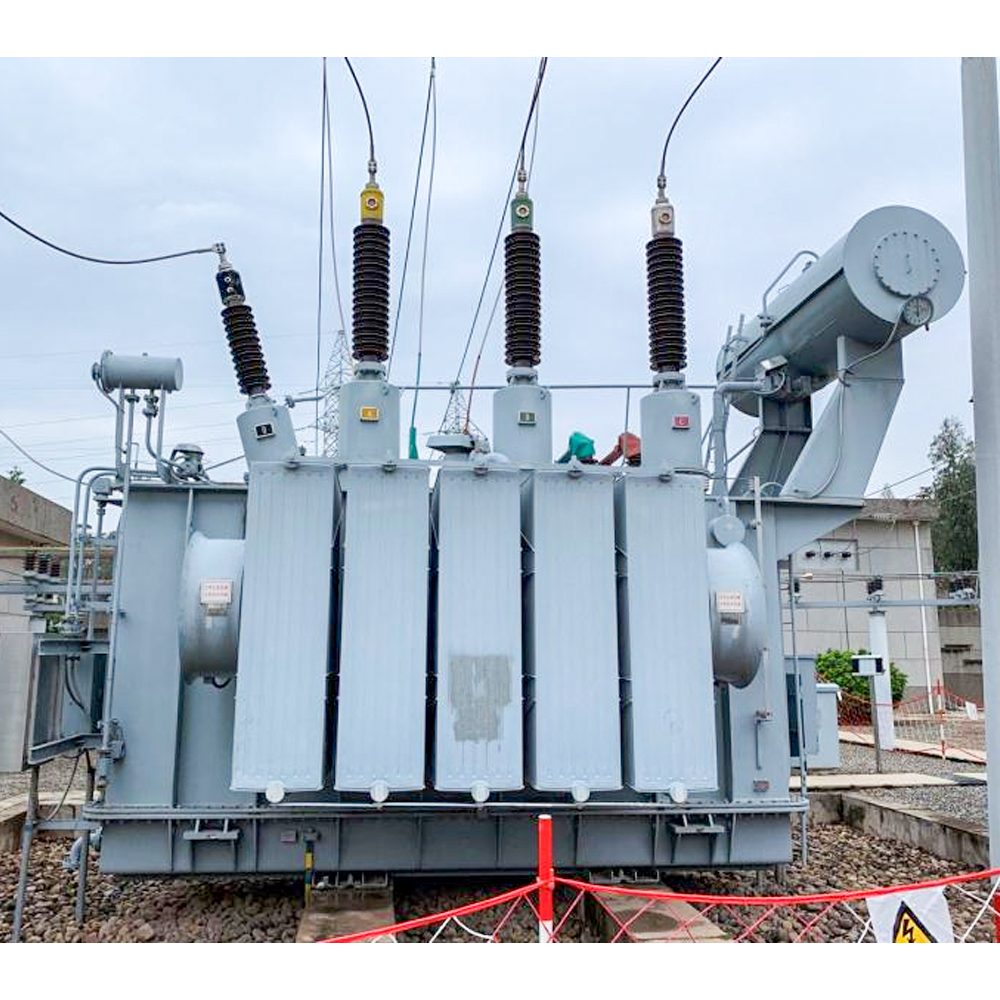
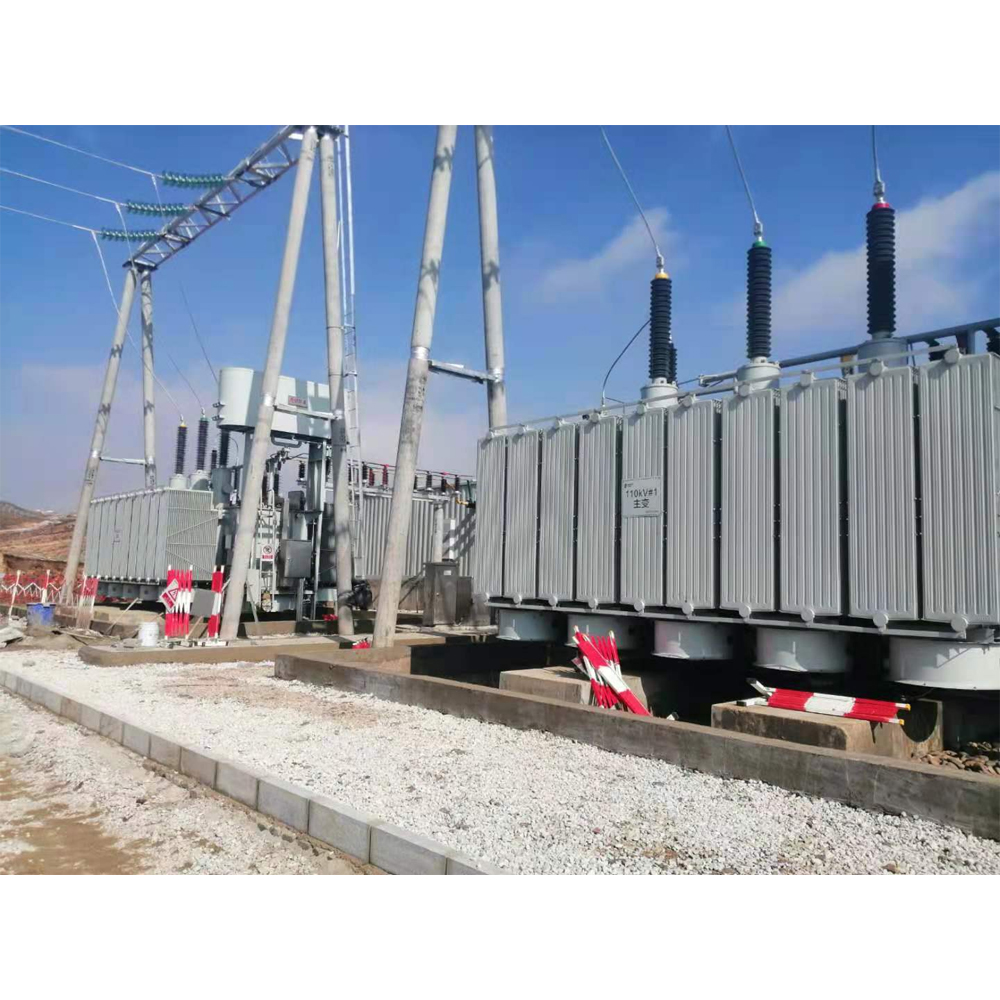
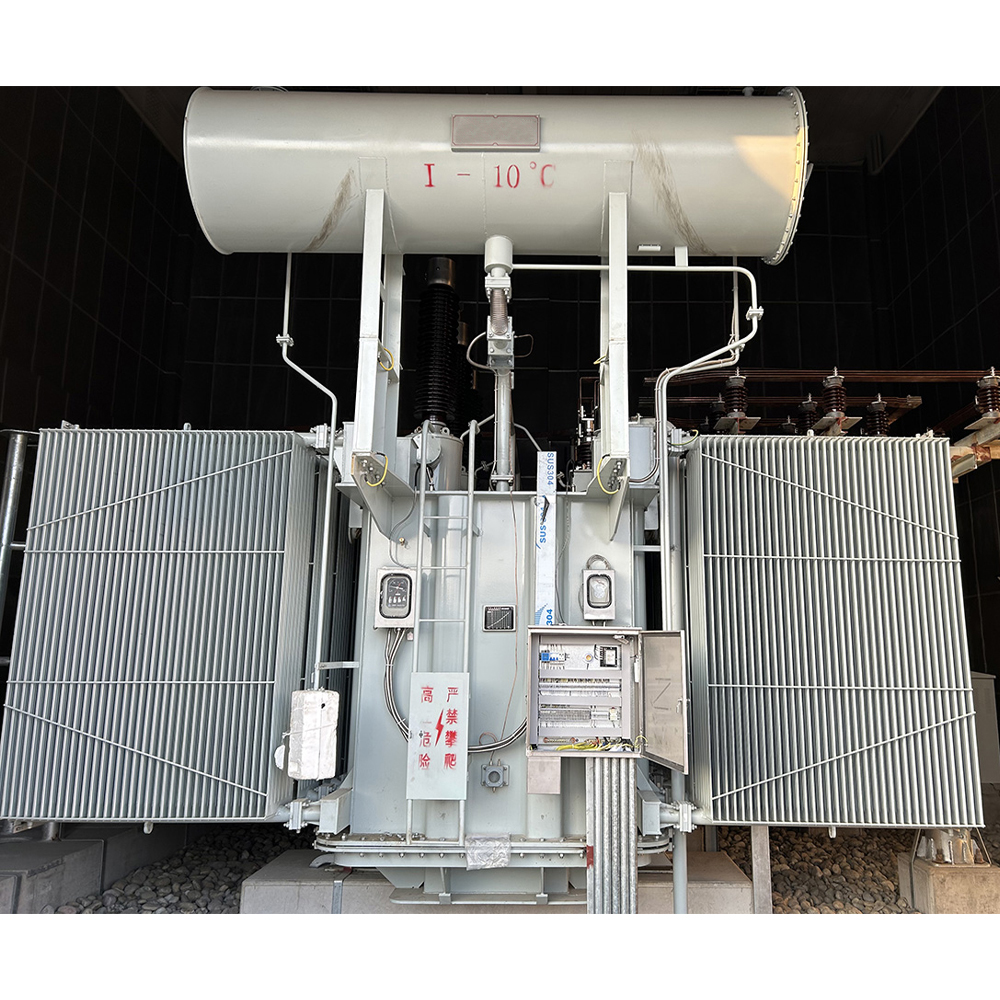
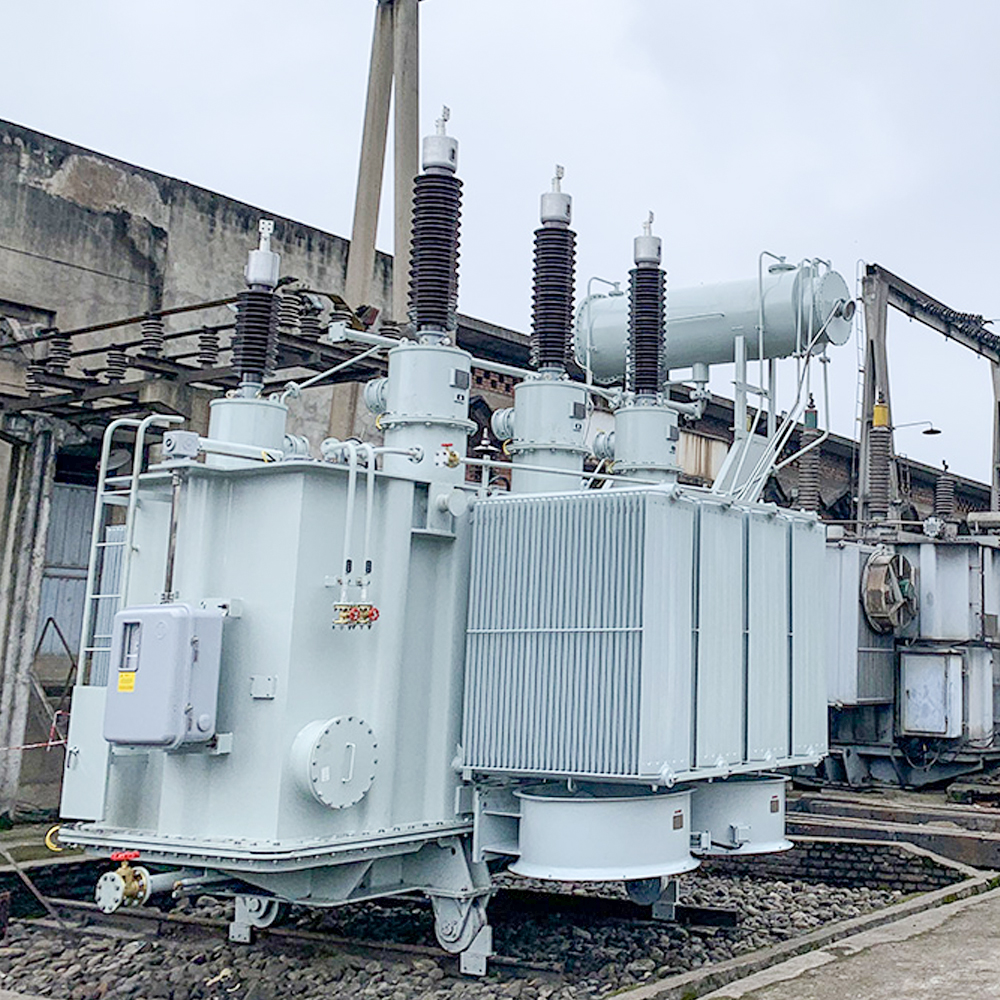
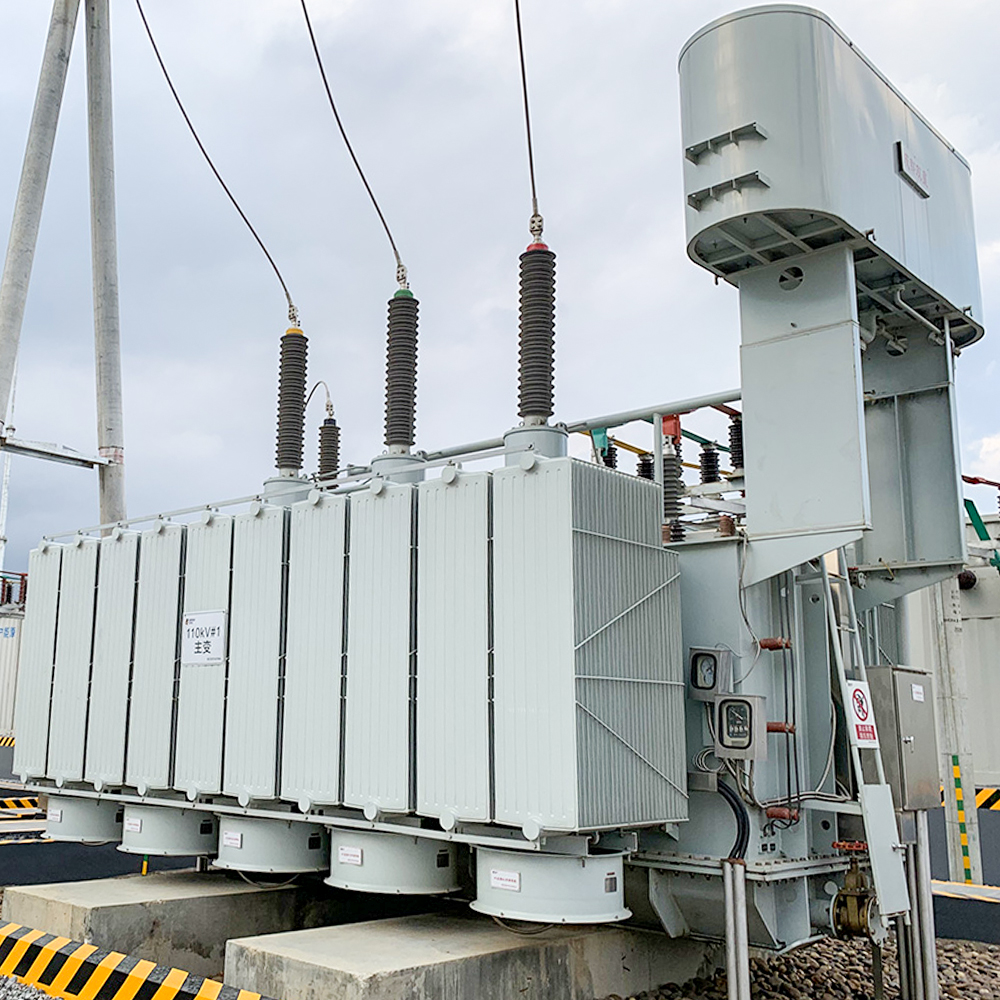
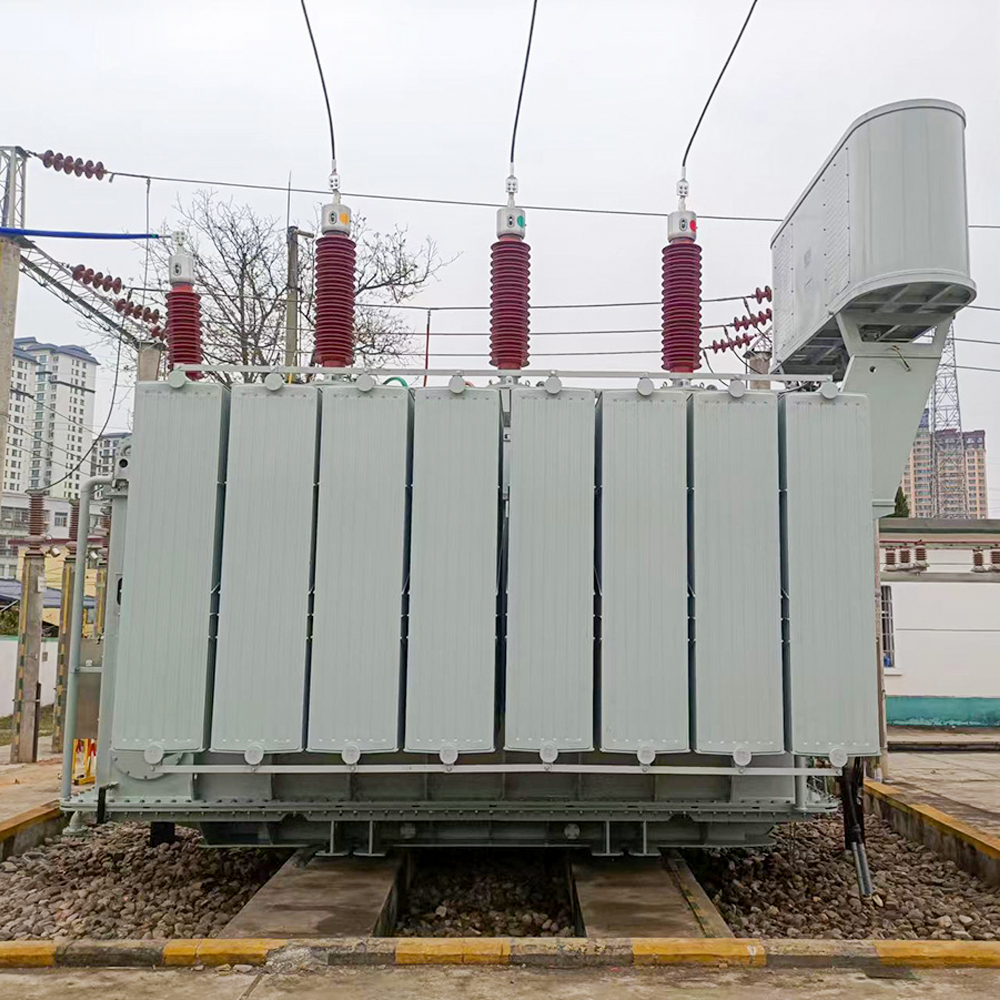
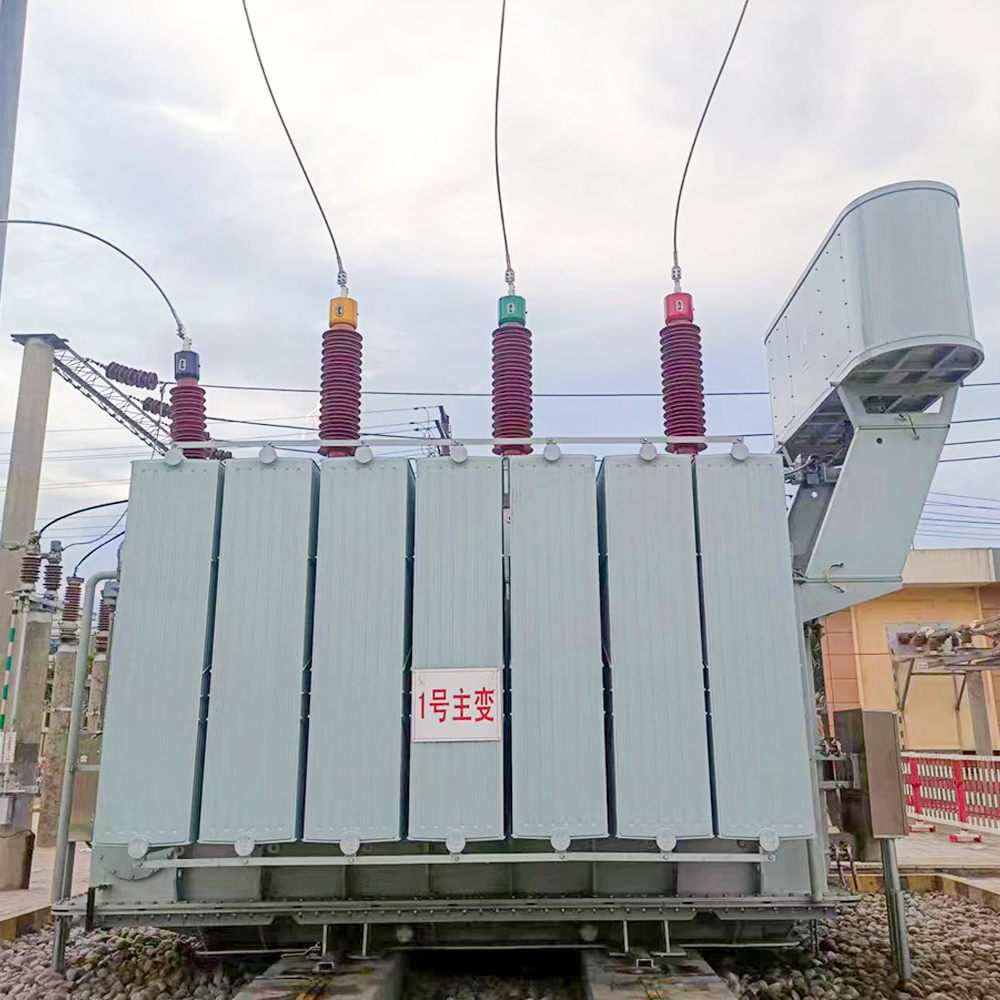
In the large and complex power system architecture of the State Grid, 110KV transformers play an extremely critical role. With the continuous growth of the economy and the increasing demand for electricity in society, the State Grid has intensified its efforts in the construction and upgrading of power infrastructure. As one of the core equipment for medium and high-voltage power conversion and distribution, 110KV transformers are widely used in various State Grid projects, covering fields such as urban power grid upgrading, power supply guarantee in remote areas, and power access for large industrial users. Their performance directly affects the stability, reliability, and economy of the entire power system’s operation.
In terms of material selection, many advanced 110KV transformers adopt high-permeability, high-quality cold-rolled grain-oriented silicon steel sheets, typically with a thickness of ≤0.3mm. This material can effectively reduce hysteresis loss and eddy current loss, thereby significantly reducing energy consumption during transformer operation. For example, the no-load loss of some products is reduced by more than 20% compared to national standards, and load loss is reduced by more than 8%, greatly improving energy utilization efficiency and contributing significantly to energy conservation and loss reduction in the power grid.
Optimized winding design is also key to achieving high energy efficiency. High-voltage windings often adopt 纠结 or inner-screen continuous structures, with a reinforced section at the head end. This not only improves the distribution of impulse voltage, ensuring the insulation strength of high-voltage coils under various overvoltage conditions, but also reduces winding resistance to further lower load loss. Medium and low-voltage coils mostly use continuous or helical structures, wound with semi-hard copper. During winding, special tensioning devices are used to ensure that the turns are tightly tensioned along the circumferential direction, enhancing the ability to withstand radial forces while helping to reduce winding losses.
 English