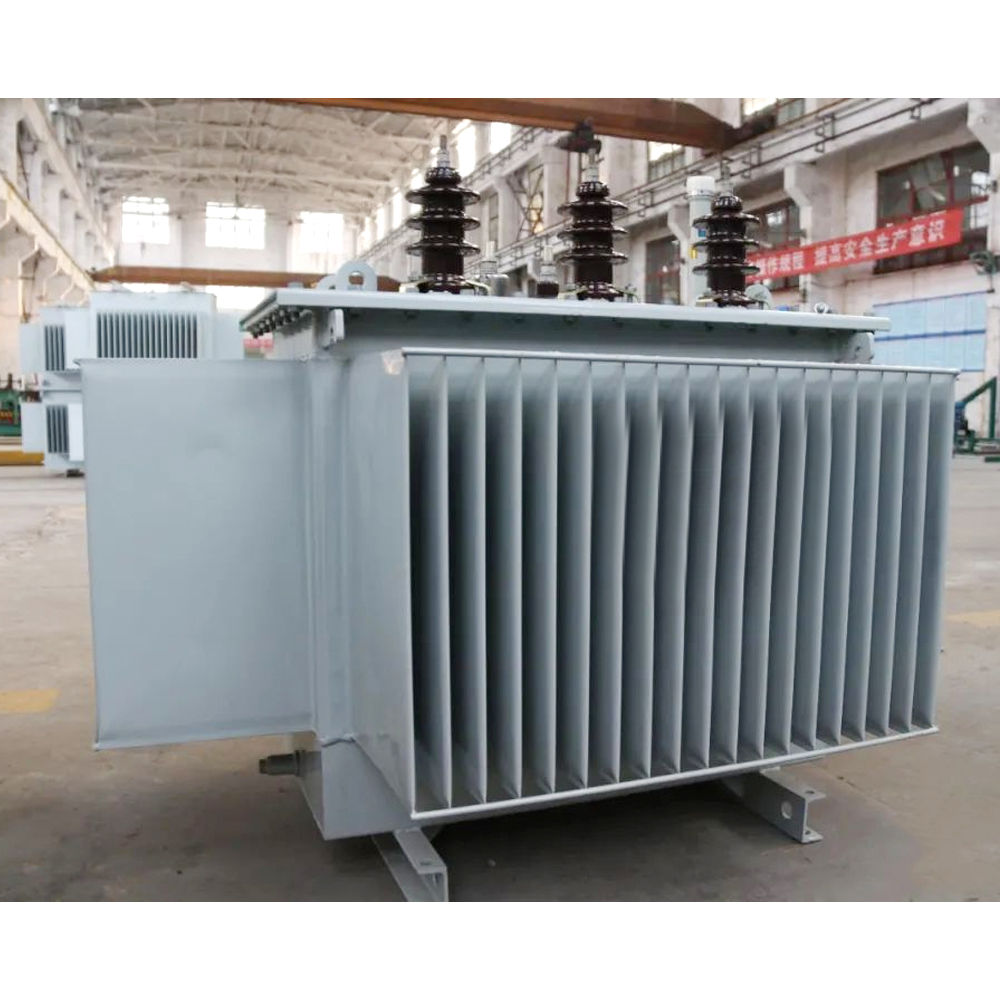
The 11kV transformer is a core device in the medium and low-voltage distribution segment of power systems, widely used in urban distribution networks, industrial enterprises, commercial parks, residential communities, and rural power supply scenarios. Its primary function is to convert 11kV high-voltage electrical energy into 380V/220V low-voltage electrical energy, meeting the power demands of industrial production, commercial operations, and residential life.
Such transformers typically adopt two structural forms: oil-immersed and dry-type. Oil-immersed transformers use insulating oil as the cooling and insulating medium, featuring good heat dissipation, moderate cost, and easy maintenance, making them suitable for outdoor or well-ventilated indoor locations. Dry-type transformers, on the other hand, use air or resin as the insulating medium, offering advantages of fire resistance, explosion proofing, and no pollution, making them ideal for high-safety-requirement environments such as high-rise buildings, hospitals, and data centers.
11kV transformers are designed with a focus on high efficiency, energy conservation, reliable operation, and environmental adaptability. Most products comply with national energy efficiency standards, effectively reducing no-load and load losses to minimize energy waste in the power grid. Additionally, their compact structure and flexible installation allow for configuration with auxiliary devices such as lightning protection, temperature control, and monitoring systems according to different scenario requirements, ensuring stable operation in complex environments.
 English